
Why Screens Can Be So Hard for ADHD, Highly Sensitive and Neurodivergent Kids
Oct 11, 2026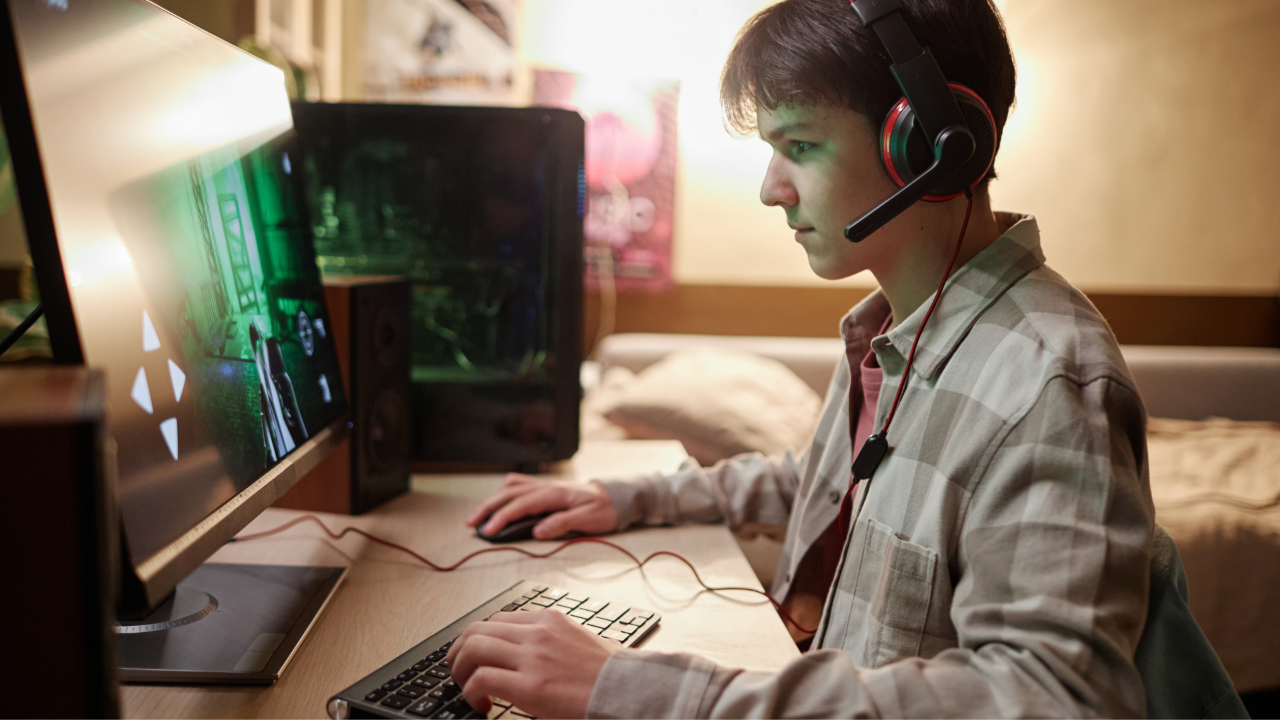
You tell your children that screen time is over.
One child closes the device and moves on. The other begins bargaining, becomes upset, or seems unable to pull themselves away from what they are doing.
When this happens regularly, parents may begin to wonder why one child can handle a limit that seems so difficult for another.
The answer may have less to do with willingness and more to do with what the screen is providing for that particular child.
What is the screen doing for your child?
Screens can meet many different needs.
They may provide stimulation for a child who is constantly seeking novelty. They may give an exhausted child a predictable place to decompress after school. Gaming may provide connection with friends. Videos may allow a child to spend time immersed in a special interest. A device may also offer relief from boredom, demands, or an environment that feels overwhelming.
This becomes particularly important when we are parenting ADHD, autistic, highly sensitive, and otherwise complex children.
If we focus only on removing the screen, we can miss the reason the child is so strongly drawn to it.
Understanding the function does not mean that we stop setting limits. It helps us create limits while also considering what the child may need.
Why transitions can be especially difficult
Some neurodivergent children have more difficulty shifting their attention from one activity to another. A child who is deeply engaged in a game or video may not experience your request to turn it off as a simple transition.
They may also struggle with time awareness, also known as “time blindness”. What feels to the parent like a very clear thirty-minute screen period may not feel that way to the child.
If the screen is also providing significant stimulation, predictability, or relief, stepping away from it can become even harder.
This is why comparing siblings is rarely helpful.
The question is not, "Why can your brother turn it off when you can't?"
A more useful question is, "What does this child need in order to make this transition?"
That might include advance warnings, a timer, a predictable ending point, or knowing what will happen next.
Curiosity needs guidance online
There is another part of screen use that deserves attention with neurodivergent children.
Many complex kids have intense interests and tremendous curiosity. They may research a topic far beyond what a parent expects or continue following links because they want to understand everything they can about something that has caught their attention.
Online platforms are designed to continue offering related content. One search can quickly lead to another, and children may encounter material they were not developmentally prepared to see.
Impulsivity and dopamine seeking can create additional challenges.
Parental controls are useful and should absolutely be part of our toolkit, but they are not without glitches and cannot replace relationship and parental involvement.
Children also need adults who remain interested in what they are doing online, who talk openly about what they may encounter, and who create enough safety in the relationship that a child can come to them when something confusing or troubling appears.
Decode before you decide
When screen use becomes difficult, begin by trying to understand what is underneath it.
What need is the screen meeting? Is your child seeking stimulation, rest, connection, escape, predictability, or access to something they care deeply about?
Then consider whether your child currently has the developmental capacity to manage the access they have been given.
The goal is not to eliminate curiosity or remove every enjoyable digital experience. It is to provide the structure and guidance children need while their ability to manage this world is still developing.
When we understand what the screen is doing for the child, we are much better equipped to decide what kind of support and limits are appropriate.
Let's work together! I provide 1:1 support for parents motivated to make positive changing in their parenting and gain confidence and increase fulfillment in their role as parents. If this sounds like it might be what you've been looking for, book a free consultation today.
Stay connected with news and updates!
Join our mailing list to receive the latest news and updates from The 3D Parent.

