
Why School Is So Exhausting for Sensitive Kids
Apr 11, 2026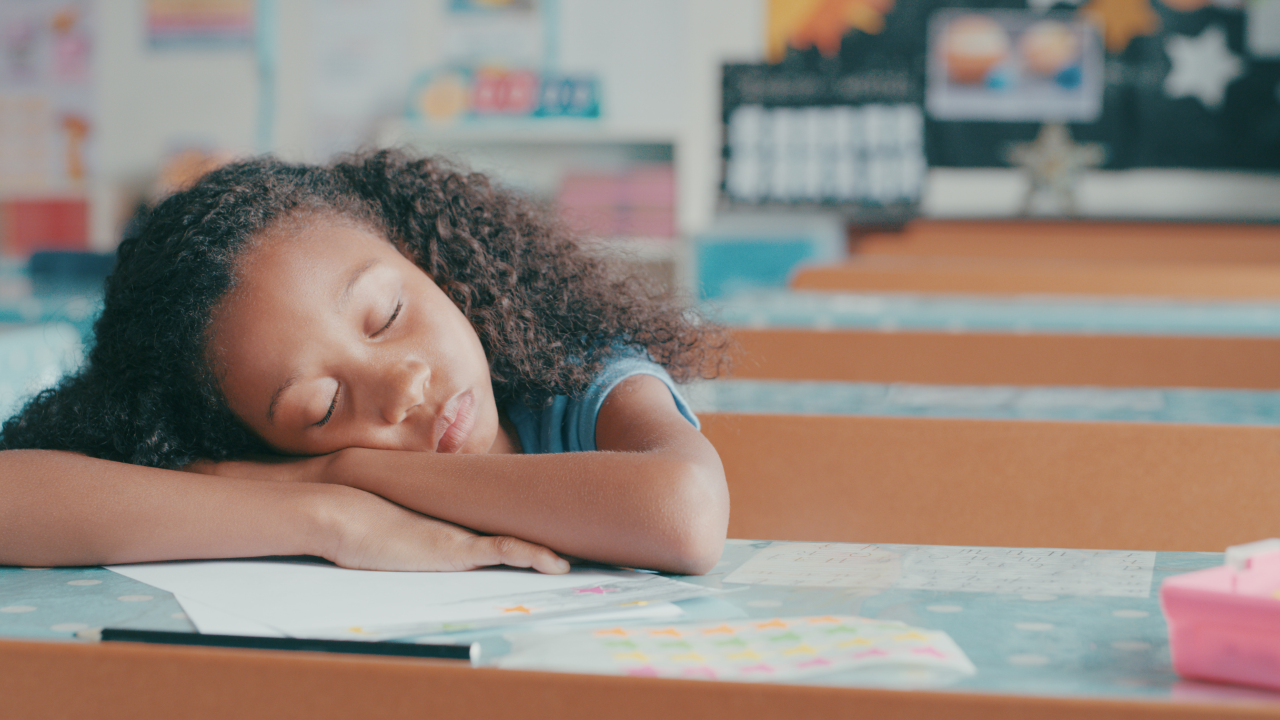
Many parents hear the same thing from teachers:
They’re doing fine at school.”
And yet, at home, it’s a completely different story. Meltdowns after school. Irritability over small things. Tears that seem to come out of nowhere. A child who looks completely drained.
It can feel confusing. If they’re “fine” at school, why are they unraveling at home?
The answer lies in understanding how sensitive nervous systems operate inside busy classroom environments.
Why School Requires Constant Regulation
For sensitive, strong-willed, or neurodivergent children, school is not just academic. It is a full-day exercise in regulation.
They are managing:
- Bright lights and loud classrooms
- Social dynamics and peer expectations
- Sitting still when their body wants to move
- Transitions between subjects
- Following multi-step instructions
- Masking big feelings to stay compliant
Even when they appear calm on the outside, their nervous system may be working overtime on the inside.
By the end of the school day, their emotional and sensory reserves are depleted.
Masking Takes Energy
Many sensitive children learn quickly how to hold it together at school. They comply, try hard, and push through discomfort.
But this “holding it together” is not effortless. It requires sustained self-control and suppression of stress signals.
When they come home to the place where they feel safest, the mask drops. The body releases what it has been holding all day.
This is often referred to as after-school restraint collapse. It is not defiance. It is recovery.
3 Signs Your Child Is Emotionally Drained by School
- Big reactions to small triggers after school.
Minor frustrations lead to tears, yelling, or shutdown. - Increased irritability or clinginess in the evenings.
Their tolerance is lower because their emotional reserves are empty. - Resistance to returning to school the next day.
Sunday night anxiety or morning stomachaches can be signs of accumulated stress.
These are not signs that your child is incapable. These are signs that schools are requiring more regulation than their system can comfortably sustain.
What Actually Helps
The solution is not pushing harder or demanding better behavior at home. What helps is acknowledging that your child has spent the day managing a heavy load.
Prioritize:
- Food and hydration
- Movement and play
- Quiet decompression time
- Gentle connection before questions about their day
When you see after-school struggles as recovery instead of misbehavior, your response naturally softens. And that softening is what allows their nervous system to reset.
School may always require effort for sensitive kids. But with understanding and steady support at home, it does not have to erode their confidence.
If your child seems fine at school but falls apart at home, you don’t have to guess what’s going on. Book a free call today, and let’s create a plan that supports your child’s nervous system and helps you advocate with clarity and confidence.
Let's work together! I provide 1:1 support for parents motivated to make positive changing in their parenting and gain confidence and increase fulfillment in their role as parents. If this sounds like it might be what you've been looking for, book a free consultation today.
Stay connected with news and updates!
Join our mailing list to receive the latest news and updates from The 3D Parent.

