
Supporting After-School Meltdowns When School Drains Your Child
Apr 11, 2026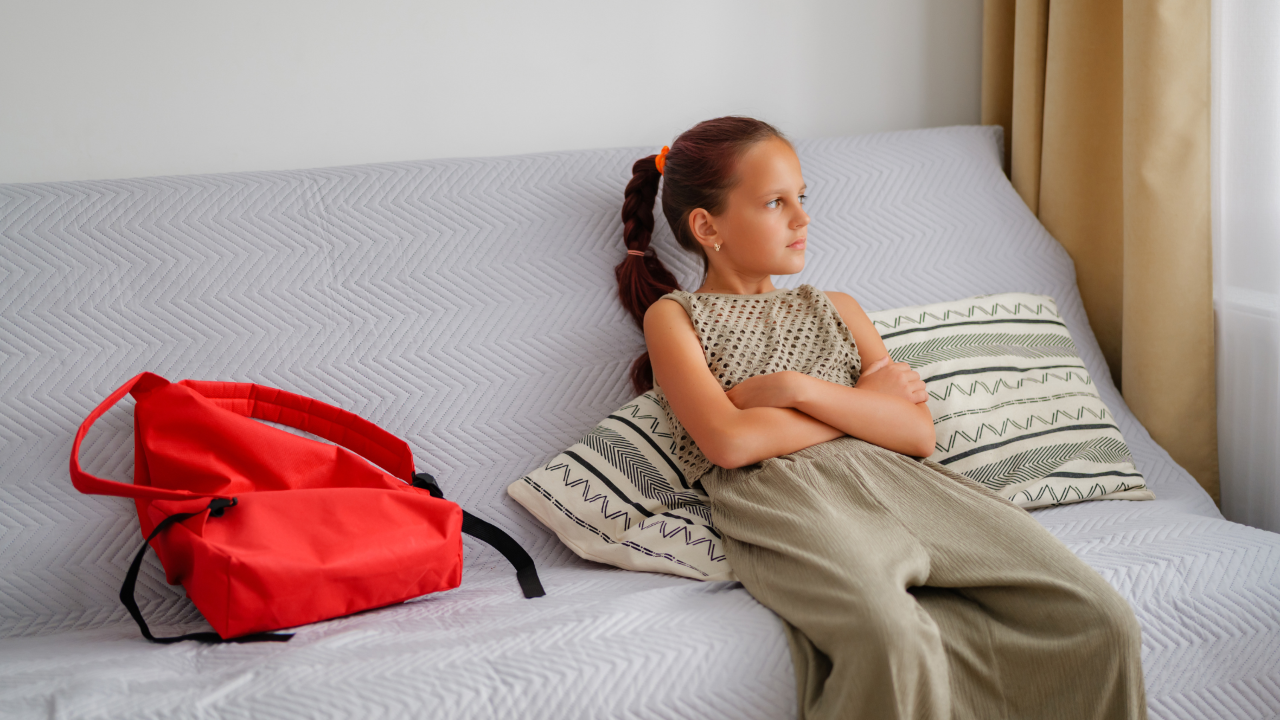
You pick your child up from school, and they seem fine. Maybe even cheerful.
Then you walk through the front door, and everything unravels.
Tears over the wrong snack. Yelling at a sibling. Refusal to start homework. A meltdown that feels completely disproportionate to the moment.
It can leave you confused and frustrated. If they managed all day at school, why can’t they hold it together at home?
The answer is often simple and deeply important: home is where they finally feel safe enough to fall apart.
What Happens During the School Day
For many sensitive, strong-willed, or neurodivergent children, school is a marathon of regulation.
They are:
- Filtering constant sensory input
- Monitoring social cues
- Following rules that may not match their natural wiring
- Sitting still when their body needs movement
- Masking frustration or overwhelm
Even if they appear compliant, their nervous system is working hard behind the scenes.
By the end of the day, their internal reserves are low. When they return home to the place where attachment is strongest, the body releases what it has been holding in. This is often called after-school restraint collapse.
It is not manipulation. It is recovery.
Why Home Gets the Hardest Version
Parents sometimes ask, “Why do they save it for me?”
They are not saving it. They are unmasking in the place they feel safest.
When a child trusts that their parent can handle their big emotions, they let go of the effort to suppress them. That trust is a sign of secure attachment, even though it doesn’t feel flattering in the moment.
Understanding this shift can soften your response. Instead of seeing defiance, you begin to see exhaustion.
3 Ways to Support an After-School Reset
- Lower expectations during the first hour home.
The transition from school to home is significant. Avoid jumping straight into homework, chores, or detailed questioning about their day. Think of this window as decompression time rather than performance time.
- Meet physical needs first.
Hunger, thirst, and fatigue amplify emotional reactivity. Offer a protein-rich snack, water, and space to rest before addressing anything else. Regulation begins with the body.
- Incorporate movement, play, and connection.
“Heavy-work” activities such as carrying groceries, pushing against a wall, trampoline jumping, or even a firm hug can help discharge stress. Pair this with quiet connection, a few minutes of closeness without demands. Regulation grows through relationship.
When Meltdowns Still Happen
Even with preparation, meltdowns may still come. When they do, focus first on safety and calm. Resist the urge to lecture or solve the problem immediately. Once your child’s nervous system settles, reflection can happen.
After-school meltdowns are not a parenting failure. They are information about how much effort your child is expending to navigate their day.
With steady support, decompression routines, and compassionate leadership, this transition can become smoother over time.
If after-school meltdowns are draining your evenings and leaving you unsure how to respond, book a free call today. Let’s create a clear reset plan that supports your child’s nervous system and brings more calm to your home.
Let's work together! I provide 1:1 support for parents motivated to make positive changing in their parenting and gain confidence and increase fulfillment in their role as parents. If this sounds like it might be what you've been looking for, book a free consultation today.
Stay connected with news and updates!
Join our mailing list to receive the latest news and updates from The 3D Parent.

